Hotel Post-Stay Email Flows: Turn Guests Into Repeat Bookers
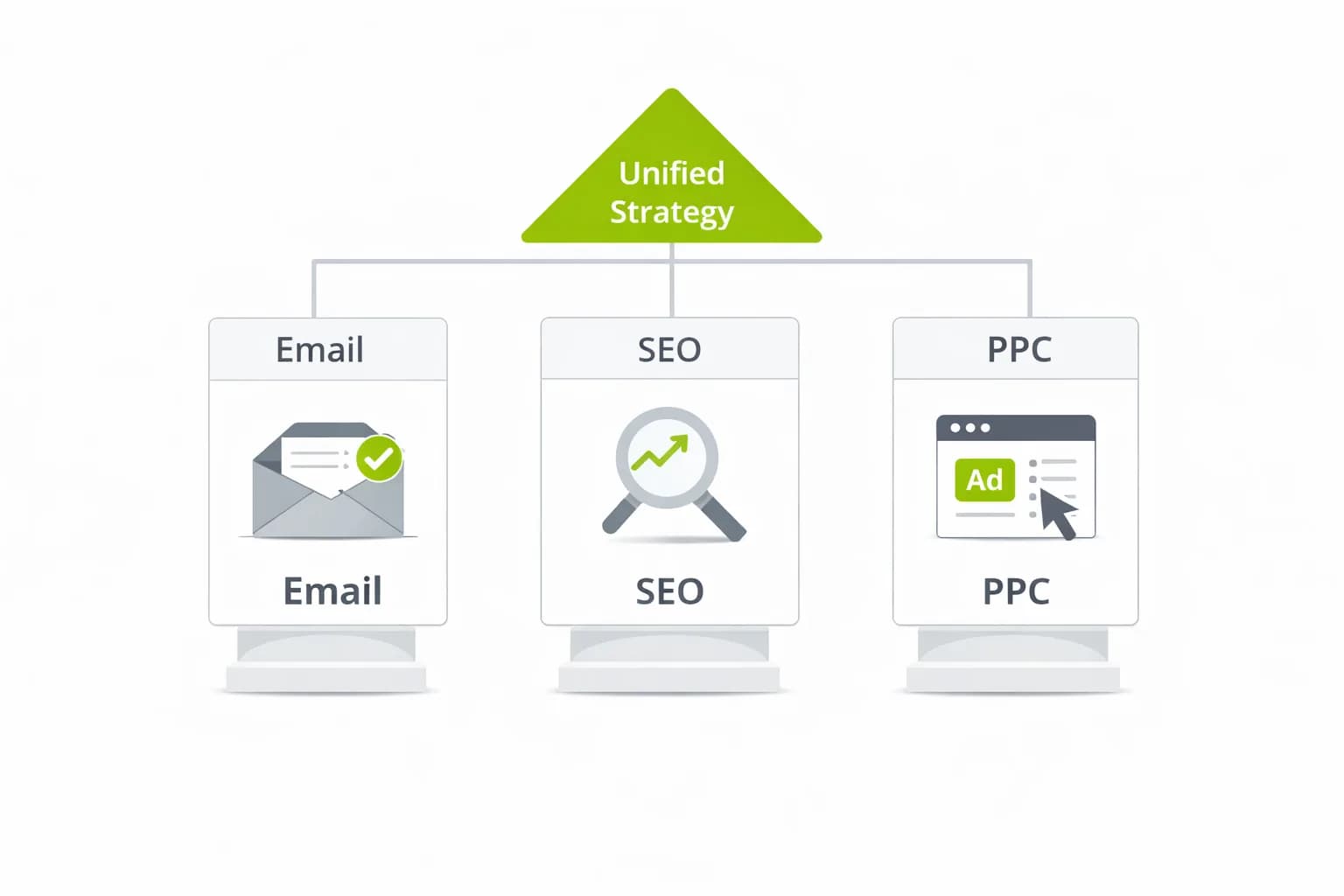
Most hotels send a generic “thanks for staying” email and stop there. That leaves repeat bookings and upsell revenue on the table. A structured post-stay flow can lift rebooking rates, increase reviews, and reduce OTA reliance—without spamming guests.
This guide shows you how to build guest-friendly post-stay automations: the right timing, segments, content, and measurement. Pair it with the broader plan in our email marketing services and the 2026 email strategy.
1) Goals & Principles of Post-Stay Email
Post-stay automation should feel like service, not sales. Primary goals:
- Capture reviews and first-party feedback
- Drive direct rebookings (future dates, shoulder seasons)
- Nurture loyalty/VIP segments
- Encourage ancillary revenue (gift vouchers, restaurant, spa)
Keep tone warm, short, and useful. Link to pages that load fast and answer likely questions—use Website Speed checks and follow web.dev’s Core Web Vitals guidance.
2) Flow Architecture: Timing & Touchpoints
A proven blueprint (adjust per brand and stay length):
-
T+24–48 hours: Thank-you & feedback
- Plain-text style message from the GM
- 1 action: feedback form or survey
- Light reminder that booking direct gets best flexibility/perks
-
T+5–7 days: Review request + soft rebook CTA
- Prioritise Google review to strengthen local search presence
- Offer a direct booking reminder (no heavy discounting)
-
T+14–21 days: Personalised next-stay ideas
- Suggest dates that match guest patterns or seasonality
- Link to the right landing page (e.g., romantic breaks, family stays)
-
T+45–60 days: Loyalty/VIP invite or perk
- Benefits: late checkout, dining credit, free parking—not 30% off
- If you run VIP tiers, explain clearly and keep enrolment simple
-
T+120+ days: Re-engagement
- Gentle “we’d love to host you again” + 1 relevant perk or local event
- Suppress if the guest has already rebooked
3) Segmentation Rules That Matter
Good segments multiply results:
- Stay intent: business vs leisure, family, couple, group
- Source: direct vs OTA (customise messaging for OTA converts)
- Geography: domestic vs international (travel windows differ)
- Recency/frequency/value: VIPs vs first-timers
- Experience flags: service recovery path if NPS/feedback was low
For OTA guests, highlight why direct is better next time (flexible change policy, member perks). Support the messaging with UX that converts—use our Hotel Landing Page blueprint.
4) Copy & Creative: Templates You Can Adapt
Use concise copy, clear buttons, and a single primary action.
A) Thank-you & Feedback (T+24–48h)
Subject: Thanks for staying with us — how was it?
- Greeting by name, room/stay reference if available
- One-click rating → short survey form
- Sign-off from a real person (GM/Guest Relations)
B) Review Request (T+5–7d)
Subject: Quick favour: could you share a short review?
- Short note + link to your preferred review target (Google)
- Soft “next time, book direct for the best value” line
- Link to your direct benefits page
C) Personalised Next-Stay (T+14–21d)
Subject: A few ideas for your next [City] stay
- 2–3 packages or dates matched to guest type
- 1 primary CTA to a relevant landing page
- Optional: local guide link for planning
D) Loyalty Invite (T+45–60d)
Subject: Enjoy member perks on your next stay
- 2–3 perks, no points jargon
- Simple, single-step join/activate
E) Re-engagement (T+120d+)
Subject: We’d love to welcome you back
- Warm nudge + one meaningful perk
- Reminder about direct benefits + flexible terms
If you’re building multiple flows, align with Automation Essentials: Welcome, Pre-Stay & On-Stay Flows to avoid over-sending.
5) Pages & Offers That Convert (CRO Basics)
Even the best email fails if the click lands on a weak page. Ensure:
- Fast mobile load (check with Website Speed)
- Clear next steps (date picker above the fold, availability first)
- Direct booking value (parking, breakfast, flexibility)
- Reassurance (cancellation terms, trust badges, location map)
For structured content that assistants can reuse, follow Google’s structured data guidance and maintain FAQ snippets when relevant.
6) Deliverability & Compliance Essentials
Strong deliverability preserves revenue:
- Authenticate with SPF, DKIM, DMARC; monitor via Gmail sender/Postmaster guidelines
- Maintain healthy lists (no purchased data, remove hard bounces)
- Respect consent & preferences (link to your Privacy Policy)
- Keep image weight low; prefer live text over large graphics
7) Measurement: Proving Impact in GA4 & CRM
Track what matters: bookings and revenue, not just opens.
- Set cross-domain measurement with your booking engine (see GA4 cross-domain guidance)
- Mark booking actions as key events/conversions (GA4 conversions)
- Build a Looker Studio view for: bookings per send, revenue per send, rebook rate, and assisted conversions
- Track brand search lift after sends with SERP Tracker
- Attribute landing-page UX gains with Mobile-Friendly checks
For deeper analysis across channels, align with Measuring Email’s Impact on Direct Bookings and your wider content marketing workflow.
8) Implementation Checklist
- [ ] Map segments (intent, geography, value, source)
- [ ] Build the 5-touch post-stay cadence with suppression rules
- [ ] Create short, plain-English templates (one action per email)
- [ ] Add service-recovery branch for low satisfaction scores
- [ ] Prepare high-converting landing pages (offers matched to segments)
- [ ] Set GA4 events, cross-domain, and UTM standards
- [ ] QA deliverability (SPF/DKIM/DMARC), test on live inboxes
- [ ] Monitor, iterate monthly (subject lines, offers, send windows)
Conclusion
Post-stay emails work when they’re timely, personal, and respectful. Keep each touch focused on one action, route unhappy guests into service recovery, and move satisfied guests toward direct rebooking. Measure the output in GA4, not your gut, and keep improving the cadence based on actual bookings.
Launch a post-stay flow that grows repeat bookings
Solene Capaldi
Hospitality Operations & Guest Experience Contributor
Solene Capaldi is a hospitality and accommodation operations specialist with approximately 17 years of experience across France (Paris region) and Scotland. Co-Founder of StaysIn managing 60+ properties across Edinburgh, Solene focuses on guest journey design, review generation, pre- and post-stay communication, and operational standards that drive repeat direct bookings.
View author profile →Related Hotel Marketing Guides
Continue with related topics to build a complete strategy.